Mayan Culture in Guatemala

Local Culture Ancient Civilization Pre-hispanic History Traditions Cultural Heritage
Guatemalan Culture
Guatemala is a culturally rich country influenced by the Maya. This ancient civilization inhabited the Americas around 5,000 years ago. Several pre-Hispanic cultural groups also developed in the region known as Mesoamerica. Although the exact population size is unknown, it is known that the Maya were one of the most densely populated civilizations in human history. They inhabited a vast region that included southeastern Mexico, Belize, Guatemala, and parts of western Honduras and El Salvador. Today, Guatemala's cultural heritage is defined by ancient ruins, different beliefs, several languages, and unique folklore.
The Maya left an extraordinary legacy in Guatemala. Hardworking people with distinctive physical traits, languages not derived from Spanish, and different religious practices distinguish Guatemalans from other Central Americans.
As with all countries on the continent, Guatemala is under notable foreign influence. In 1524, the Spanish colonized the country. By that time, most of the major Mayan cities had already been abandoned, and the remaining groups were forced to form an alliance with the conquistadors. Unlike the Aztecs in Mexico or the Incas in Peru, the Maya were a firmly divided society. They shared similar ideologies and traditions, yet they never united as a single empire. This caused controversy during the colonization of Guatemala. After several disputes and battles, however, they settled, and the cultures began to merge. Today, Guatemalan culture is an interesting fusion of ethnic groups, beliefs, and traditions.
Vivid evidence of Guatemala's cultural blend can be seen in its cuisine. Influenced by various ingredients, the traditional local dishes are mildly spicy and often accompanied by a corn-based side dish. Although several agricultural products have been introduced, maize (corn) remains a sacred ingredient for the locals.
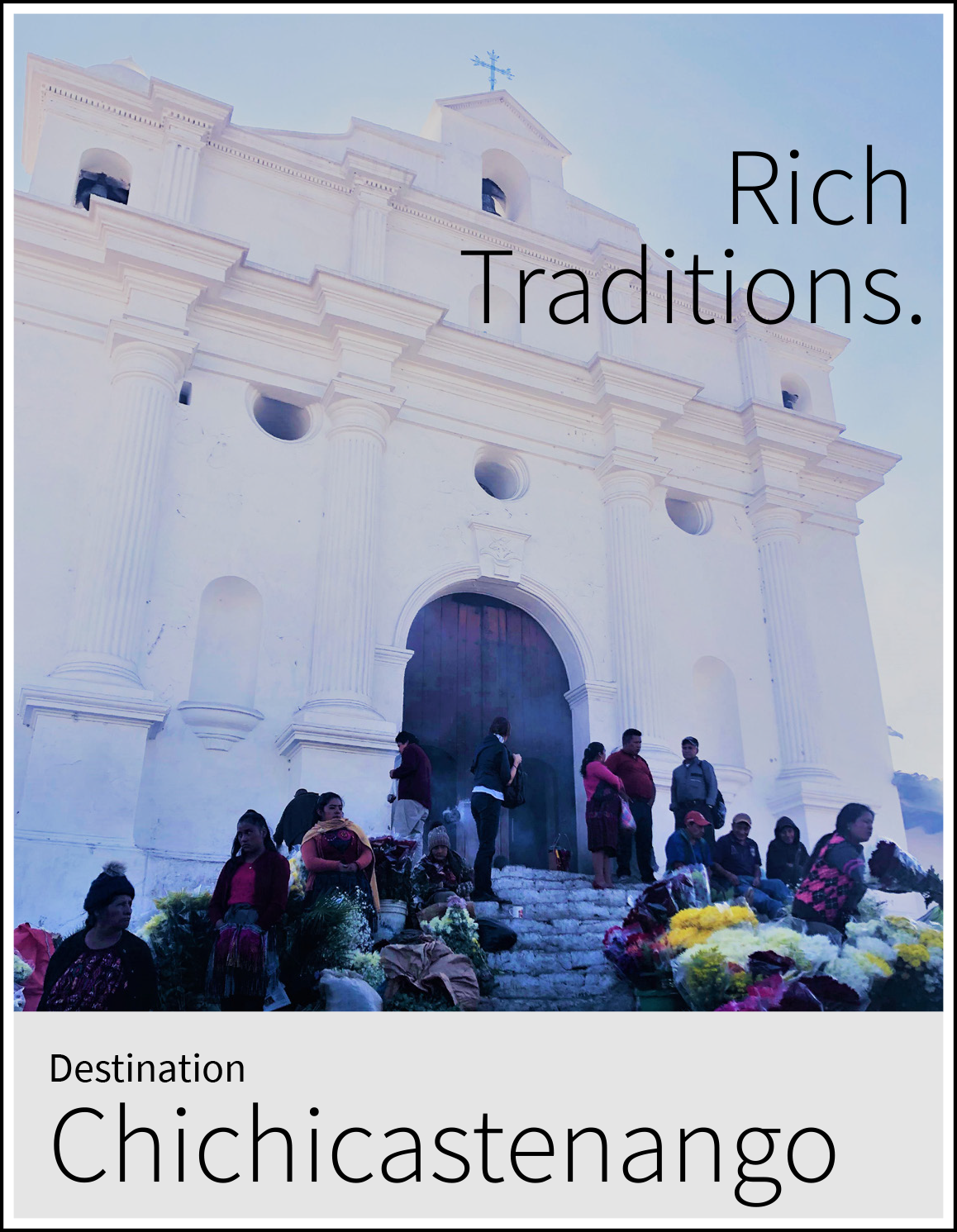
Guatemalan culture is also a representation of lively syncretism—the fusion of Mayan spirituality, Catholicism, and Evangelical Christianity. Today, nearly 60% of the population identifies as Catholic, though their beliefs and traditions are deeply rooted in pre-Hispanic traditions.
Apart from its exotic cuisine and remarkable syncretism, Guatemala's local handcrafts are an important part of its culture and traditions. Weaving is an ancient practice that has survived uninterrupted for centuries. Many women in the highlands of Guatemala still weave their traditional costumes. The colorful patterns vividly represent the heritage passed down from generation to generation.
Known as the Heart of the Mayan World, Guatemala treasures a unique heritage. Traditions are closely tied to Maya ancestors, and mysticism is widespread throughout the country. Visiting Guatemala is like taking a journey back in time, and it never fails to impress visitors!